
GPT Plessey
GEC Plessey Telecommunications history
Between the late 1980s and the mid-1990s, GEC Plessey Telecommunications (GPT) occupied a significant position in the global telecommunications supply industry. Formed in 1988 as a joint venture between General Electric Company (GEC) and Plessey, GPT represented the consolidation of two long-established British engineering traditions into a single export-oriented telecoms manufacturer. Drawing on decades of expertise in switching systems (such as System X), transmission equipment, and public telephony, GPT sought to compete internationally against much larger continental European and North American suppliers.
NOTE: System X is the name of the Telephone Digital switching system successfully marketed by GEC Plessey from 1979, and first shown in Telecom 79 in Geneva. Plessey focused a large amount of resources on the huge potential Chinese market. By 1992 more than 40 System X exchanges were operating in China.
One of GPT’s most important emerging areas of activity was phonecard payphone technology. These systems emerged as a response to the operational and economic limitations of traditional coin-operated public telephones. By replacing cash with prepaid cards, operators reduced maintenance costs, mitigated theft and vandalism, and gained finer control over tariffs and accounting. GPT’s product portfolio in this area built directly on magnetic technologies developed earlier by Plessey, and GEC parking systems, before later transitioning toward integrated-circuit (smart-card) solutions.
Plessey EMIDATA watermark magnetics phonecards in Greater China (Beijing)
The first trial of a Plessey prepaid card payphone took place in the Plessey (System X marketing) office in Beijing in 1985. These payphones did NOT use the traditionally known GEC magnetic card technology adopted in 1986 but the Watermark Magnetics technology licenced by EMIDATA. Watermark Magnetics were also licensed by Autelca in Switzerland, and Malco plastics in USA)
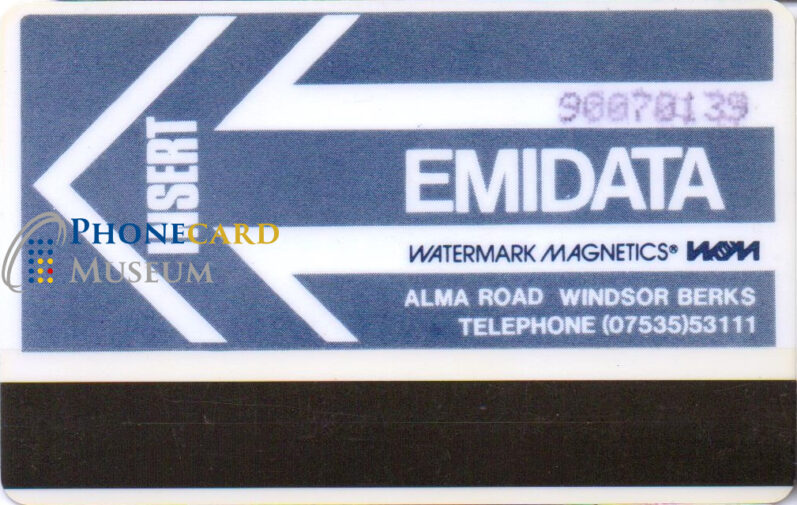
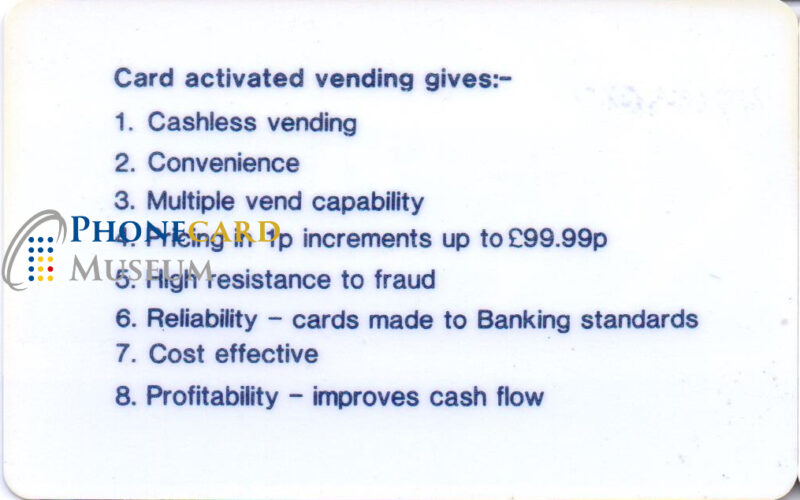
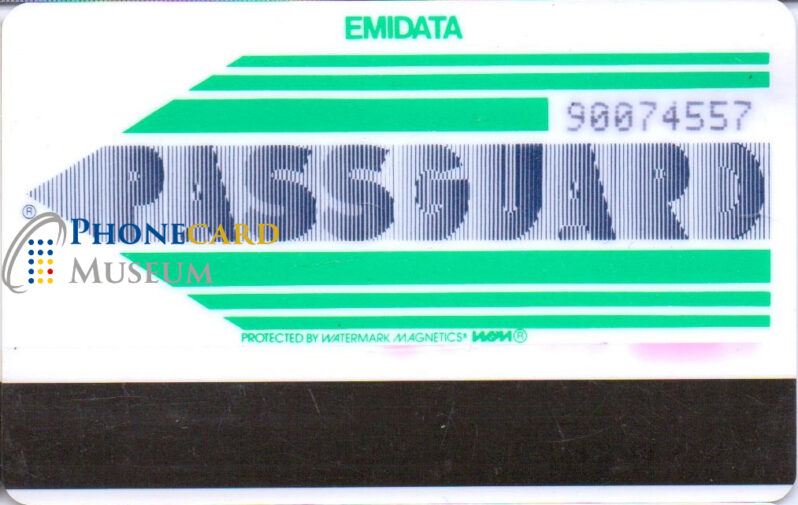
A small group of these payphones were set up in 1985 at the Plessey System X office in Beijing, with the intent to market this new Card Payphone product to Chinese Telecom organizations. These magnetic phonecards were used for a number of years from 1985 onwards. Emidata-Plessey cards continued to be used in the payphones in the reception area of the Plessey office, even after GEC Plessey cards were introduced to Shanghai.
The first issue to be used by staff, and visitors is the FIRST, and ONLY PLESSEY phonecard to have the EMIDATA-Watermark Magnetics branding combination without the Plessey brand. On the reverse, we note that this card was produced by Emidata with the purpose of vending machines, but the readers were easily installed in the new Plessey payphones.
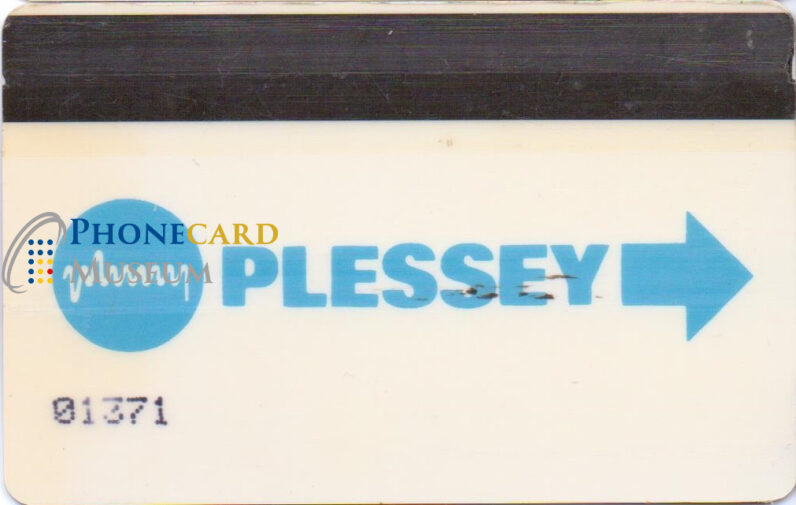
The second issue has a small EMIDATA brand and a very prominent PLESSEY branding on the reverse.
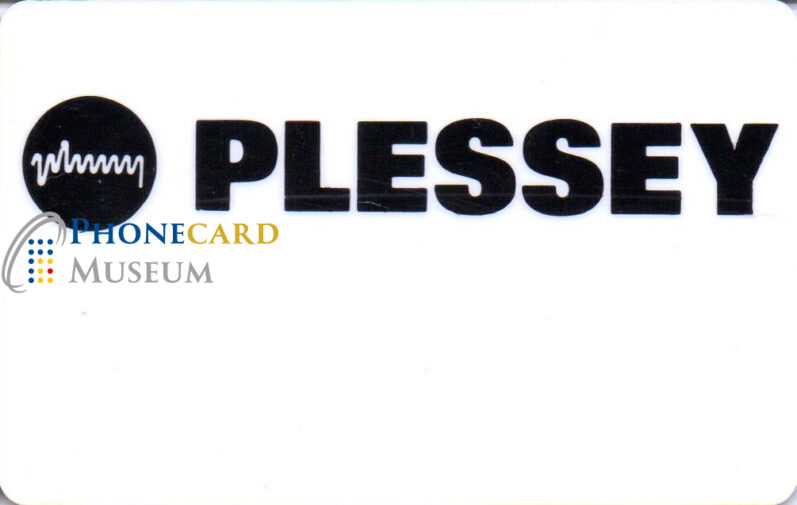
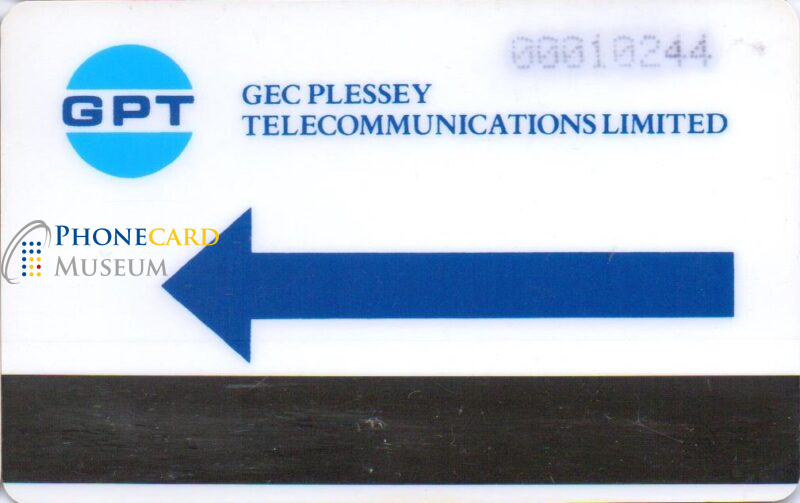
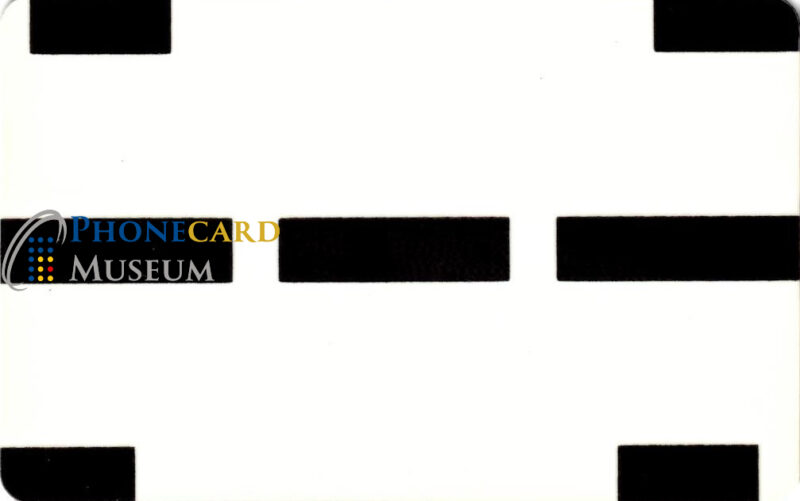
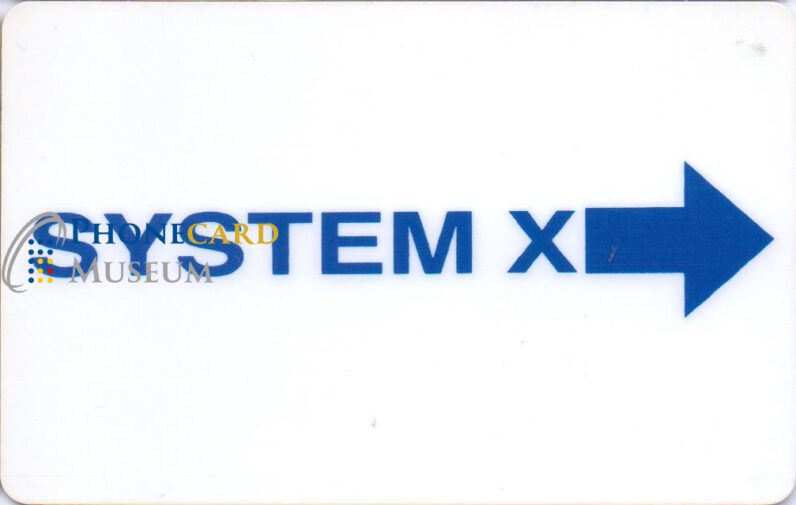
In 1987, because the phonecard telephones were very popular with staff for making telephone calls, a new design was delivered, now with PLESSEY on the front (EMIDATA removed), and System X promoted on the reverse. This is technically the third issue. By this time PLESSEY were already marketing the well-known GEC standard magnetic cards in Shanghai that we now identify as the GPT magnetic system. This system with multiple magnetic areas on the reverse was adopted from the merger with GEC Traffic Automation.
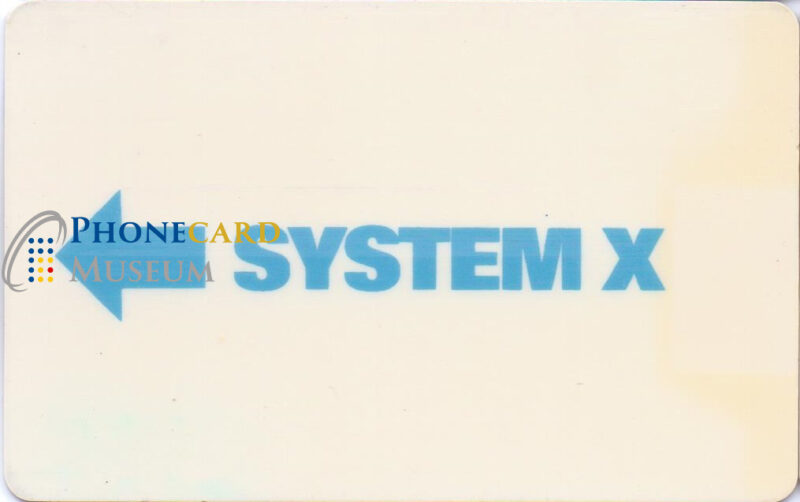
Magnetic Watermark cards were produced for the Beijing Plessey office payphones for a few years, at least until the introduction of the GPT logo in 1988. These issues continue to be very difficult to find.
Plessey phonecards using GEC parking card technology
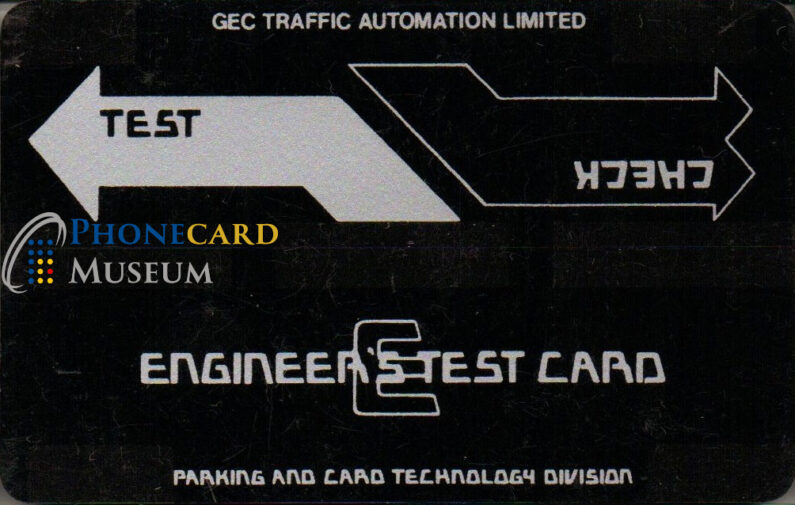
During the very early set-up period of the GEC standard cards, Plessey did not have their own branded cards yet, so plain test cards from GEC were used for test and demonstration cards.
Even though they are a parking card, they were definitely used as phonecards in 1986-7 by Plessey in China, Denmark, Norway, and South Africa, and probably other countries. This was part of a set of 3 types. ENGINEER TEST card, DEMONSTRATION card, and RESET card.
The first series of generic Test/Demo cards with the GEC standard reverse, were the Plessey TELECARD series. These were produced in 2 basic types.
- Coded cards (without control) in 3 values : 20, 40 and 100 units. Cards had a smaller front value.
- A NON-coded set of specimens and prototypes with a larger font value in 100, 200, 400, 500, and 1000 units.
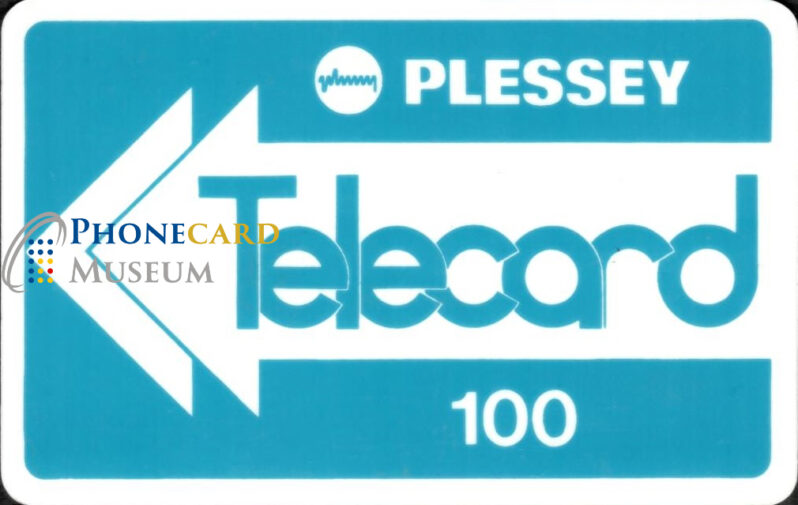
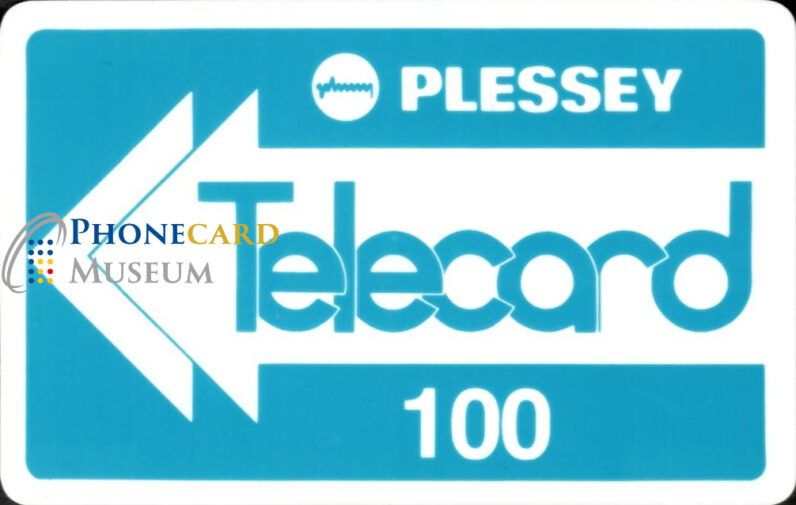
Here we have ONE example known of a 400 unit TELECARD that is coded and USED. Notice the heat punctures probably early testing of the USAGE mark hardware. The second card is a TECCOM China train station phonecard, clearly showing the penchant for copying a good design.
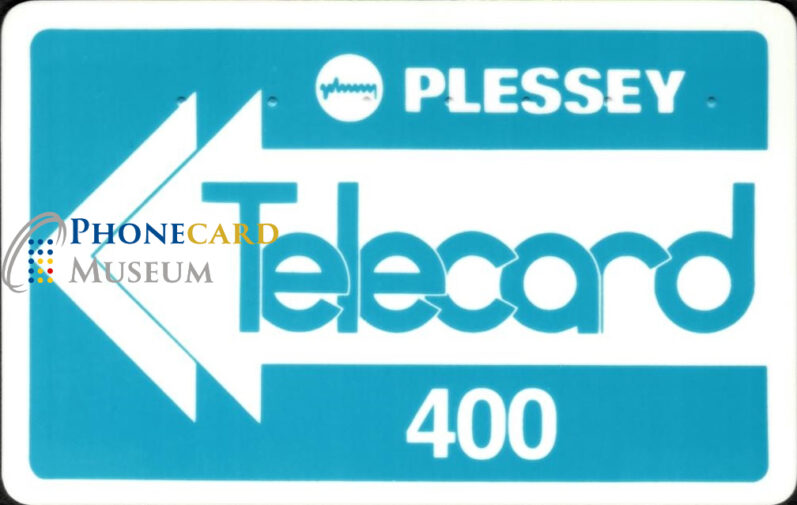
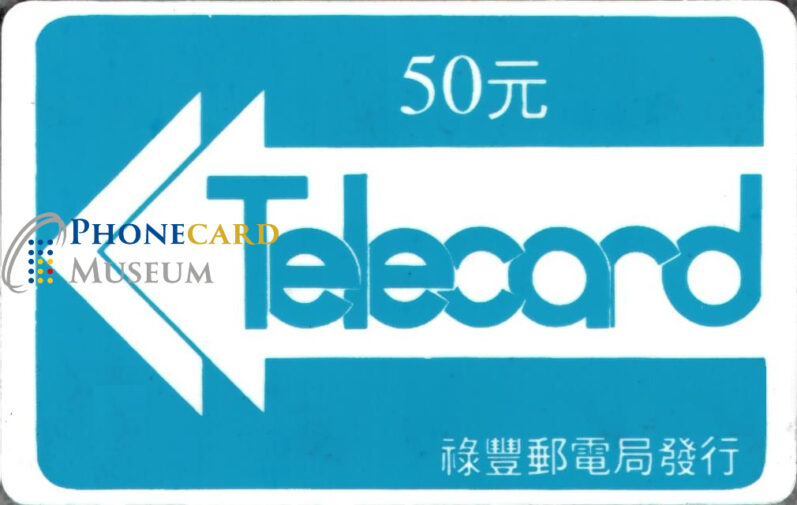
In this early stage, Plessey did not have the high value cards, as the technology was taken from the GEC traffic automation parking meter system which used lower units on the cards. Plessey wanted to show from early on that the system would support larger value cards, so they produced this set with larger units as specimens. The only confirmed country that the full set is known to be found, is Brasil.
There are a few examples of the higher value TELECARD being coded and used, but most of them are dummy un-coded cards.
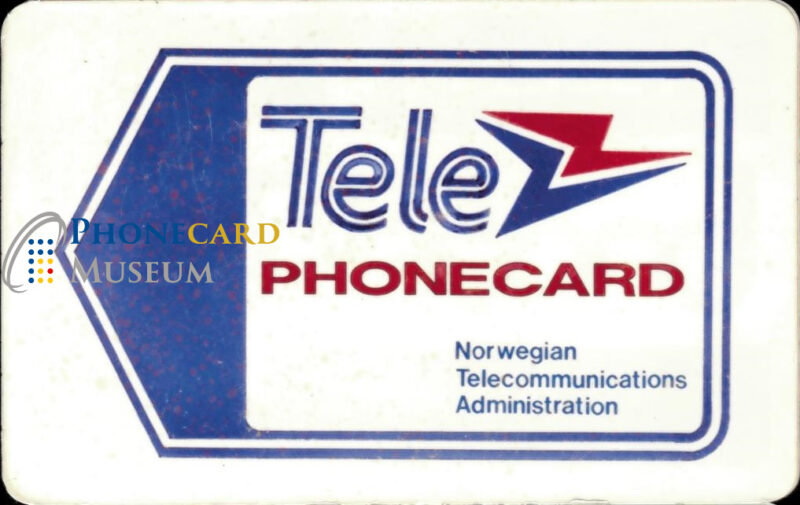
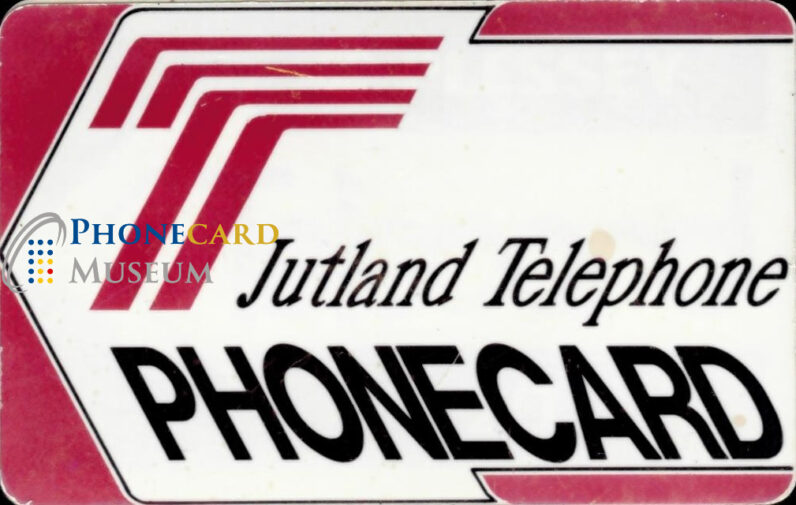
The Plessey TELECARD was used as a test and demonstration card in a number of countries. But sometimes they were disguised. In late 1986, Plessey were engaging with Telecoms in Denmark, Norway, Sweden, Finland, Singapore, and South Africa. A number of very early demos were produced with stickers covering the Generic TELECARD design. We know of 4 designs for the Nordic countries, and 2 designs for Singapore.
Finland Sweden
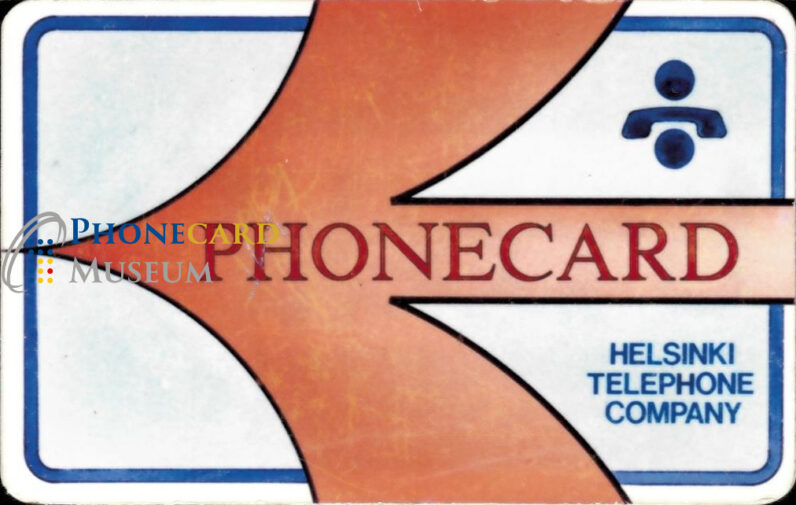
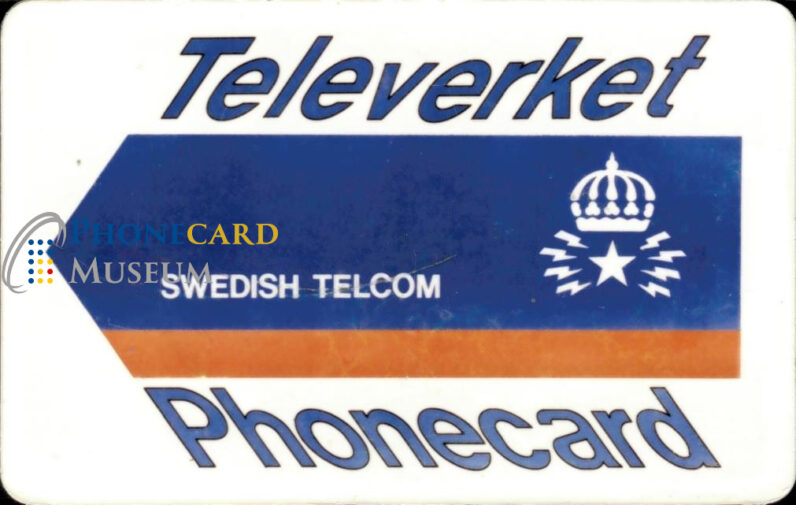
Norway Denmark
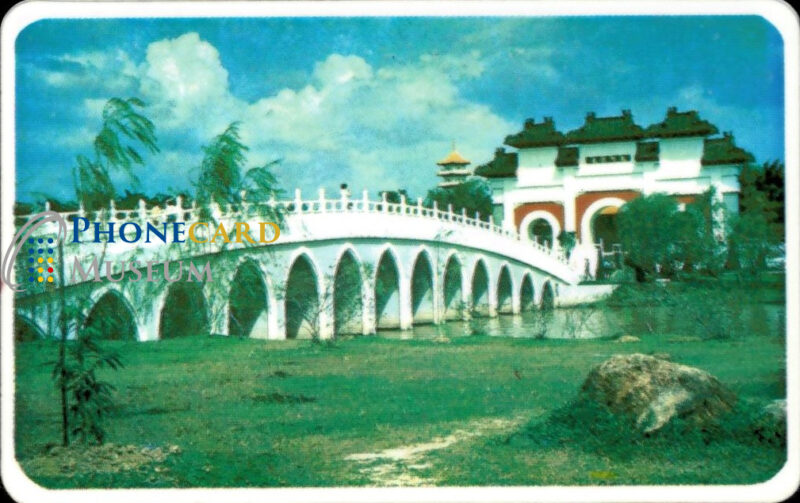
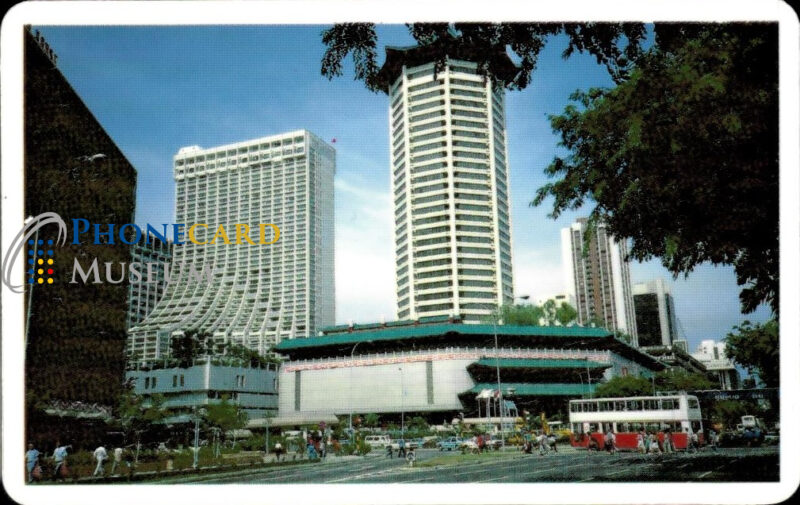
The 2 sticker card designs for Singapore are also extremely rare, and the printing technique is full colour sticker for the "White Rainbow Bridge" card 1986, and the other is like a proof high resolution print for the Orchard Road shopping district city view card 1986.
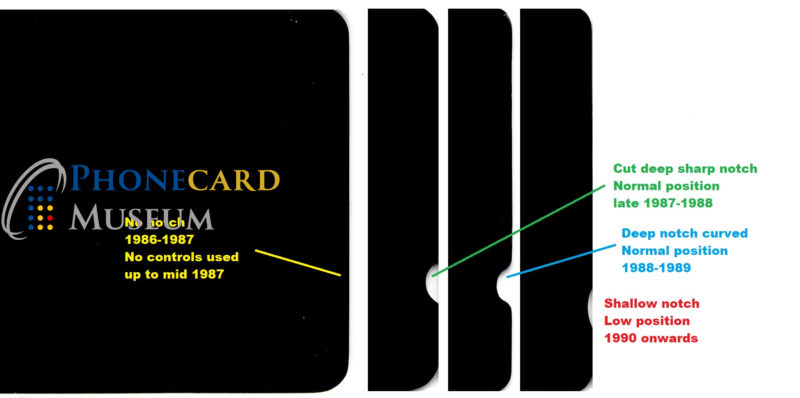
In the beginning of card production, Plessey cards were glossy plastic, bonded layers, with no notch, and no control numbers. These manufacturing processes were added during 1987. The first notches were partly semi-circular and sharp punched. Later in 1988, a deep notch with curved style was introduced, and late 1989-1990 the notch position was lowered and shallow. This means that it is impossible to fake a deep notch card on a shallow notch card, because the position would not be correct.
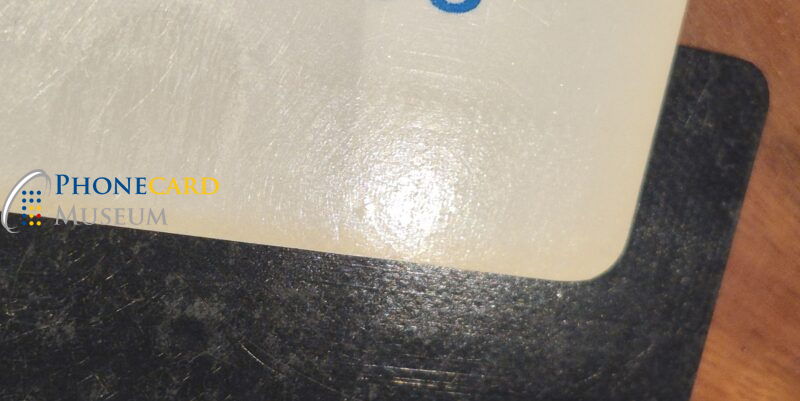
By early 1987, Plessey were already well underway with their card payphone project in Denmark. The very first series planned for field trials was a 9-piece ARROW and SHAPE puzzle. This series was produced in a number of prints, the first being a VERY small quantity of glossy plastic cards. The first larger printed issue however, were produced in a TEXTURED plastic. They are called MATTE in catalogues, but they are actually FULLY textured surface. Here, we have tried to capture the texture to illustrate the difference.
The textured Danish puzzle cards are quite rare, and a complete set is extremely difficult to put together. Other textured cards are extremely rare, but here is one for Singapore (FUJI film advertising) and a general demo card.
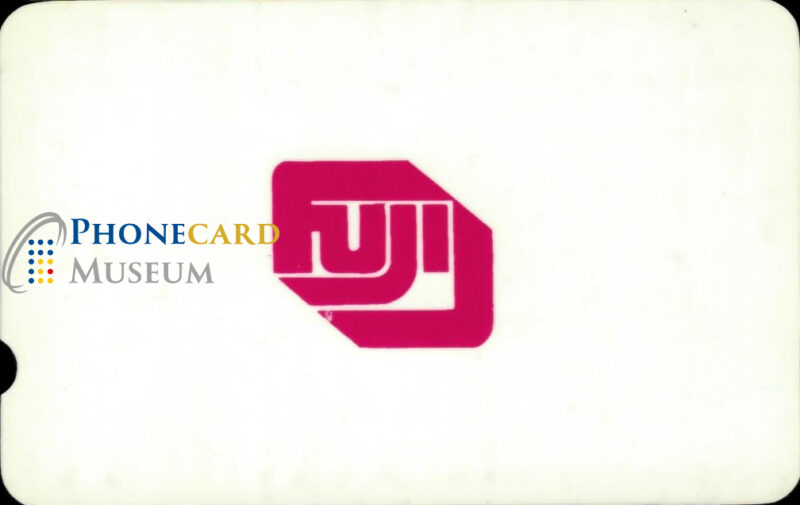
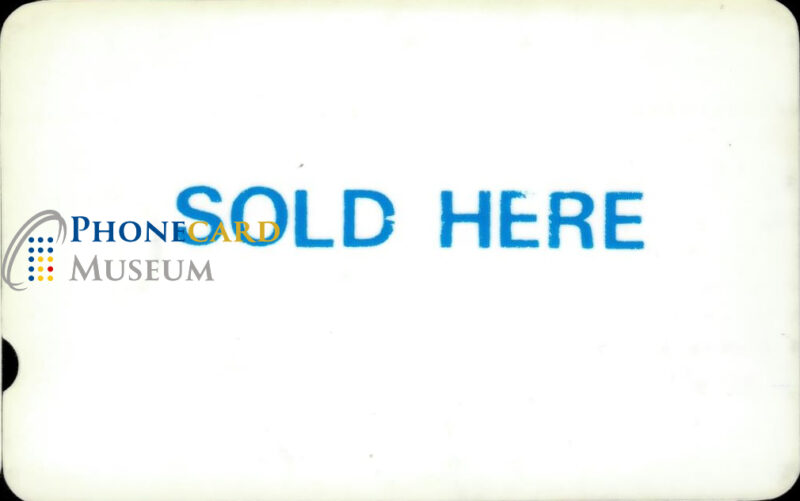
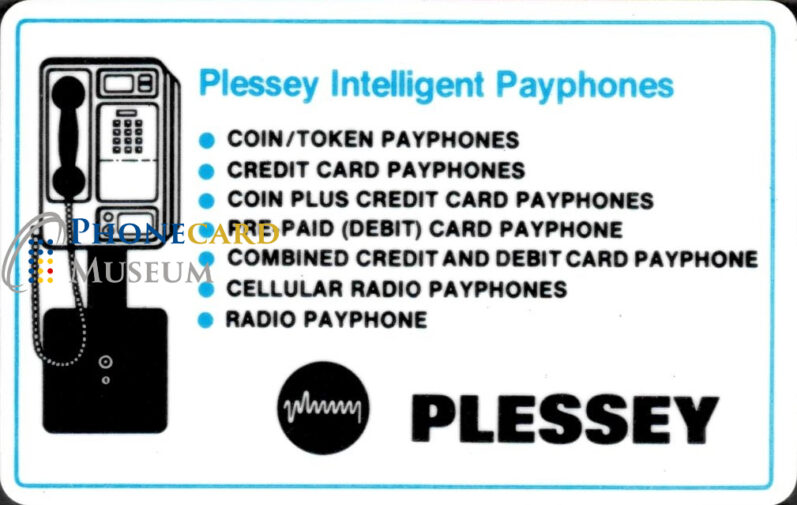
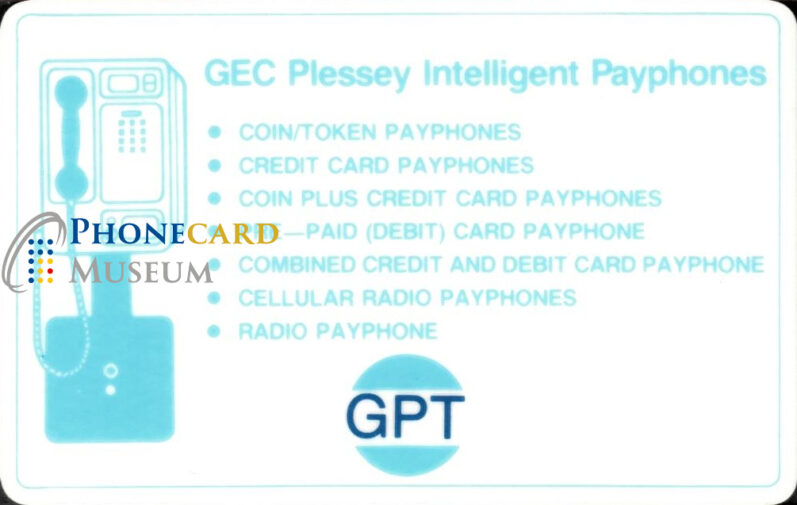
Plessey manufactured 2 demo cards (1987-1989) with plain magstripe technology. These cards were used in a number of ways. They were used to demonstrate phonecards on a payphone with a plain magnetic stripe reader. They were used on the Credit card adapted payphones, and even used in testing banking card technology (we have a EUROCARD test card of this type)
By late 1988, the head engineer of R&D for GPT (Peter Ormerod) began investigating new ways of improving the GEC standard cards to include better fraud security, and added functionality. This will be discussed in another article on the development of GPT "Featurecard"